
Supply Chain
Magnesium Glycinate Supplier Specification Changes
How procurement and QA can review a revised magnesium glycinate supplier specification line by line, from elemental magnesium to buffered claims.
Oct 24, 2026Read Article
MagneINNO Blog
Practical articles on chelation evidence, dosage-form strategy, quality review, and supply planning for supplement brands building premium magnesium products.
Editorial Standard
Written for R&D, QA, and procurement teams. Articles focus on useful qualification questions instead of generic wellness claims.
Supply Chain
How procurement and QA can review a revised magnesium glycinate supplier specification line by line, from elemental magnesium to buffered claims.

Quality & Regulatory
Not every test belongs on every lot. This guide helps quality teams split magnesium glycinate testing into every-lot release checks, periodic verification of the supplier COA, and investigation-driven testing, and shows what should trigger quarantine or extra work.

Quality & Regulatory
A second magnesium glycinate supplier protects continuity only if the new material behaves like the approved one. This protocol shows quality and technical teams how to compare specifications, COA reliability and real process performance before an alternate source goes into production.

Quality & Regulatory
Build a controlled magnesium glycinate organoleptic specification for incoming lots, with safe odor review, reference custody, escalation rules and clear analytical limits.

Quality & Regulatory
Learn how procurement, receiving and EHS teams should use a magnesium glycinate SDS for workplace handling without confusing it with a COA, TDS or chelation evidence.

Supply Chain
A practical transfer package helps brands and CMOs compare pilot and commercial magnesium glycinate runs, document scale-up changes and make a supported QA decision.

Quality & Regulatory
Allocate testing, shipment release, change notices and investigations across the ingredient supplier, manufacturer, importer, brand and CMO, without confusing agreement terms with regulatory duties.

Quality & Regulatory
Build a practical magnesium glycinate retain-sample program with risk-based quantities, controlled storage, traceable labels, review triggers and investigation records.

Formulation
Set an auditable magnesium glycinate particle-size specification by aligning the test method, distribution descriptors and lot limits with your formulation and pilot evidence.
Chelation Science
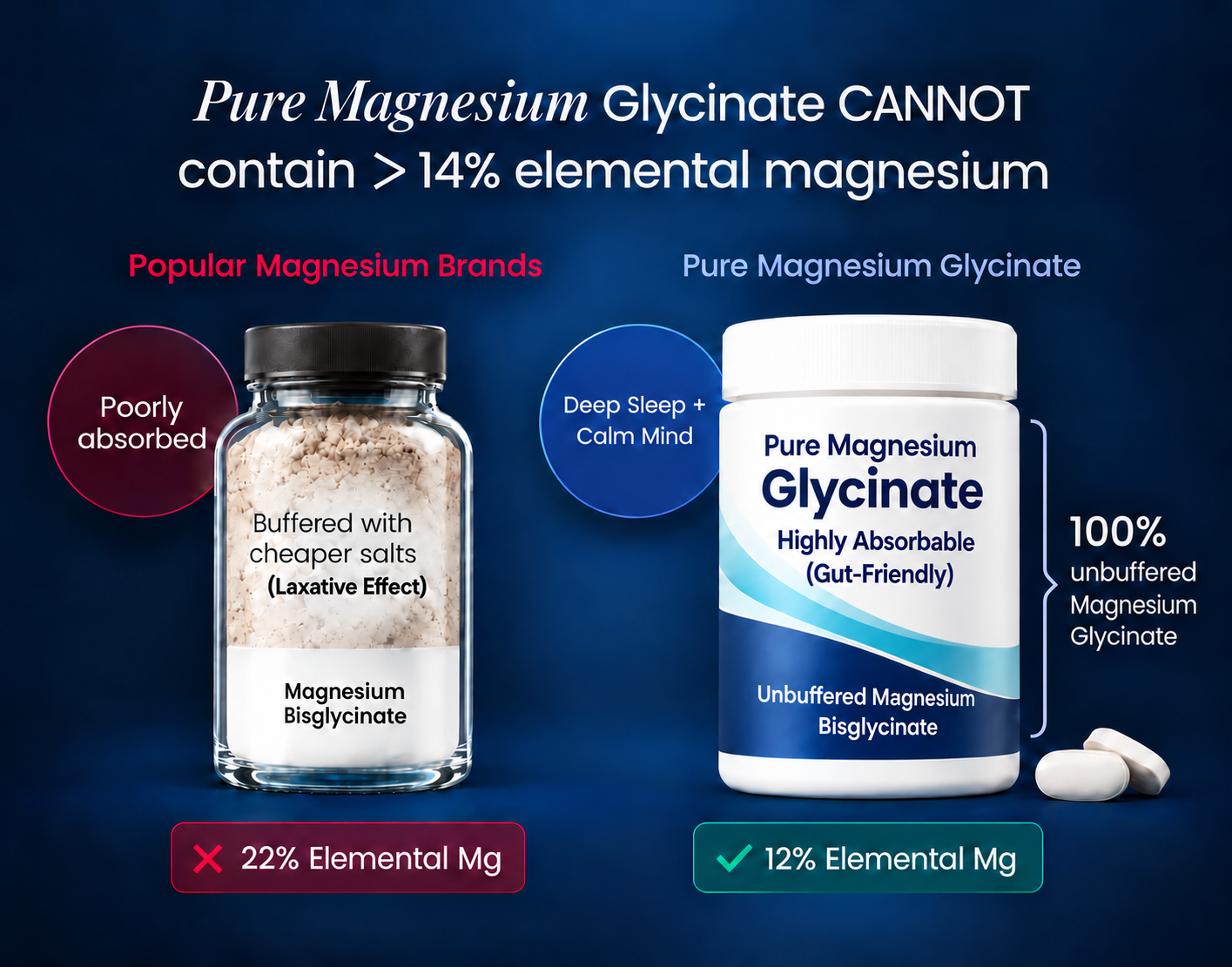
Learn why a 22% elemental magnesium assay cannot describe pure, anhydrous bisglycinate, and what supplement brands should verify before approving an ingredient.

Quality & Regulatory
Connect magnesium ingredient lots to finished batches and laboratory reports, preserve split-lot relationships, and state clearly what a public batch-test result covers.

Formulation
Plan a magnesium glycinate beverage pilot around the real juice, HPP process, package, and storage conditions, with inclusion calculations and clear testing responsibilities.

Formulation
Identify whether magnesium powder lumps form during storage or mixing, then test the relevant lot, package, formula, and preparation variables before changing ingredients.

Supply Chain
Turn a nominated magnesium glycinate grade into a CMO-approved material with clear specifications, supplier documents, sample decisions, and purchasing responsibilities.

Formulation
A practical development guide for electrolyte powders, with a serving-mass calculation and a trial matrix for magnesium, sodium, and potassium systems.

Quality & Regulatory
Is magnesium glycinate safe? What determines the safety of a magnesium glycinate ingredient, which COA tests to check, and how to verify any supplier.

Supply Chain
Where magnesium glycinate is made and sourced, how it is produced, and the documents U.S. brands should check to verify any supplier, wherever it operates.

Quality & Regulatory
Review seven categories of magnesium glycinate batch evidence, including identity, assay, defined fractions, water, contaminants, and lot documentation.

Quality & Regulatory
Specifications, certificates of analysis, and supplier conversations are full of terms that quietly decide whether a magnesium glycinate is right for your product. This glossary defines the 25 that matter most — grouped by chemistry, analytical methods, physical properties, documents, and regulation — with links to deeper guidance on each.

Market Insights
Two developments deserve a formulator’s attention halfway through 2026: magnesium widened its lead as one of the most popular U.S. supplements, and CRN published an updated evaluation raising its recommended safe intake level for supplemental magnesium. This mid-year update covers what changed, what it does not change (FDA labeling and the 420 mg Daily Value), and what it means for sourcing.

Supply Chain
A magnesium glycinate sample has arrived — what you do over the next 30 days decides whether you qualify a reliable material or find a problem in production. This checklist breaks the evaluation into four weeks: documents, identity and purity verification, functional performance in your actual process, and stability planning plus pilot readiness.

Supply Chain
The right questions, asked before you commit, separate a reliable magnesium glycinate supplier from a risky one — and the answers are often more revealing than the material itself. This guide gives you the questions that matter, grouped by what they protect you from: material identity, purity and testing, manufacturing and compliance, and supply reliability.

Quality & Regulatory
Review unclear results, composition mismatches, undefined analytical fractions, method suitability, relevant contaminant evidence, and consistency across magnesium glycinate documents.

Quality & Regulatory
Not all magnesium glycinate is the same — the same name can cover a pure, fully reacted chelate or a blend diluted with cheap magnesium oxide. This buyer’s guide explains what “pure” means for a mineral chelate, why “organic” doesn’t apply, and the analytical checks — elemental magnesium, free magnesium, FTIR chelation evidence, and heavy metals — that tell the real thing from a look-alike.

Chelation Science
Solubility decides whether a magnesium glycinate works in a drink, dissolves cleanly in a powder, or just sits in a capsule — yet it is one of the least-discussed properties in sourcing. This guide explains solubility versus dissolution, what affects them (particle size, grade, temperature, pH), and what each format actually needs.

Formulation
Magnesium use skews toward women, and women’s health is one of the fastest-moving supplement categories — which puts magnesium glycinate in many formulation conversations. This category and formulation overview looks at why glycinate fits, how it is commonly combined (with nutrients like B6 and vitamin D), and how to keep the positioning within the structure/function framework.

Quality & Regulatory
The TDS and the COA are the two documents every magnesium buyer relies on — and the two most often confused. This guide explains what a Technical Data Sheet contains, how it differs from a certificate of analysis (specification ranges versus batch results), and how to read the two together during qualification.

Supply Chain
“Is it vegan? Is it clean-label?” are among the fastest-growing questions brands put to magnesium suppliers. This guide unpacks what those questions turn on at the ingredient level — glycine source (synthetic or fermentation versus animal-derived), processing aids, fillers, non-GMO and allergen status — and what documentation a supplier should provide.

Supply Chain
Qualifying a new magnesium glycinate supplier is more than requesting a sample and checking price. This guide lays out a structured evaluation — defining requirements, reviewing documentation, sampling in your own process, verifying analytically, confirming stability, and qualifying supply — so you can qualify a supplier on evidence rather than gut feel.

Chelation Science
Magnesium glycinate and magnesium L-threonate are often compared but occupy very different places in the market. This guide compares them on elemental magnesium (around 8% for threonate versus 10–14% for glycinate), dose and cost, positioning, and claim considerations, so you can choose the form that fits your product rather than following the trend.

Supply Chain
Most magnesium projects are well served by a standard grade — but some products push past what off-the-shelf material can do. This guide covers when customization of magnesium glycinate is worth pursuing, the four real levers (elemental level, particle size, sensory profile, documentation), and how a custom project runs from brief to production.

Chelation Science
Review FTIR alongside suitable composition and analytical evidence, with attention to method scope, references, and the limits of elemental and free-magnesium results.

Supply Chain
“What does bulk magnesium glycinate cost?” is the first question buyers ask and the last they should decide on. This guide breaks down what actually drives the price — elemental content, chelation, purity, testing, documentation, format, and supply — so you can compare quotes on true value rather than a headline price per kilogram.

Quality & Regulatory
For a mineral ingredient sold in the U.S., heavy metals and California’s Proposition 65 are a real part of sourcing. This guide explains which heavy metals matter, what Prop 65 requires (including the 0.5 microgram-per-day lead safe-harbor level), why mineral supplements are a common target, and how a supplier’s testing and documentation support a brand’s compliance decisions.

Chelation Science
Magnesium oxide and magnesium glycinate sit at opposite ends of the magnesium spectrum — oxide high in elemental magnesium and low-cost, glycinate lower in elemental content but positioned for gentleness. This guide compares them on elemental content, solubility, tolerability, cost, and formulation fit.

Chelation Science
“Buffered” and “unbuffered” magnesium glycinate look alike on a spec sheet but are different materials: unbuffered is a pure chelate, while buffered is that chelate blended with magnesium oxide. This guide explains what buffering is, why manufacturers do it, the tradeoffs, and how to tell which one you are evaluating.

Supply Chain
Sourcing magnesium glycinate for more than one market means one ingredient must satisfy several frameworks. This guide separates what stays constant across markets — elemental magnesium, specifications, documentation — from what changes by region, including labeling, claims, and U.S. FSVP import requirements.

Chelation Science
A magnesium bisglycinate specification reading “14% elemental magnesium” points at the theoretical ceiling of a fully reacted, anhydrous chelate. This guide explains where 14% comes from, why real-world specs are often lower (around 10–12%) due to bound water, and how a figure well above 14% can signal blending.
Quality & Regulatory
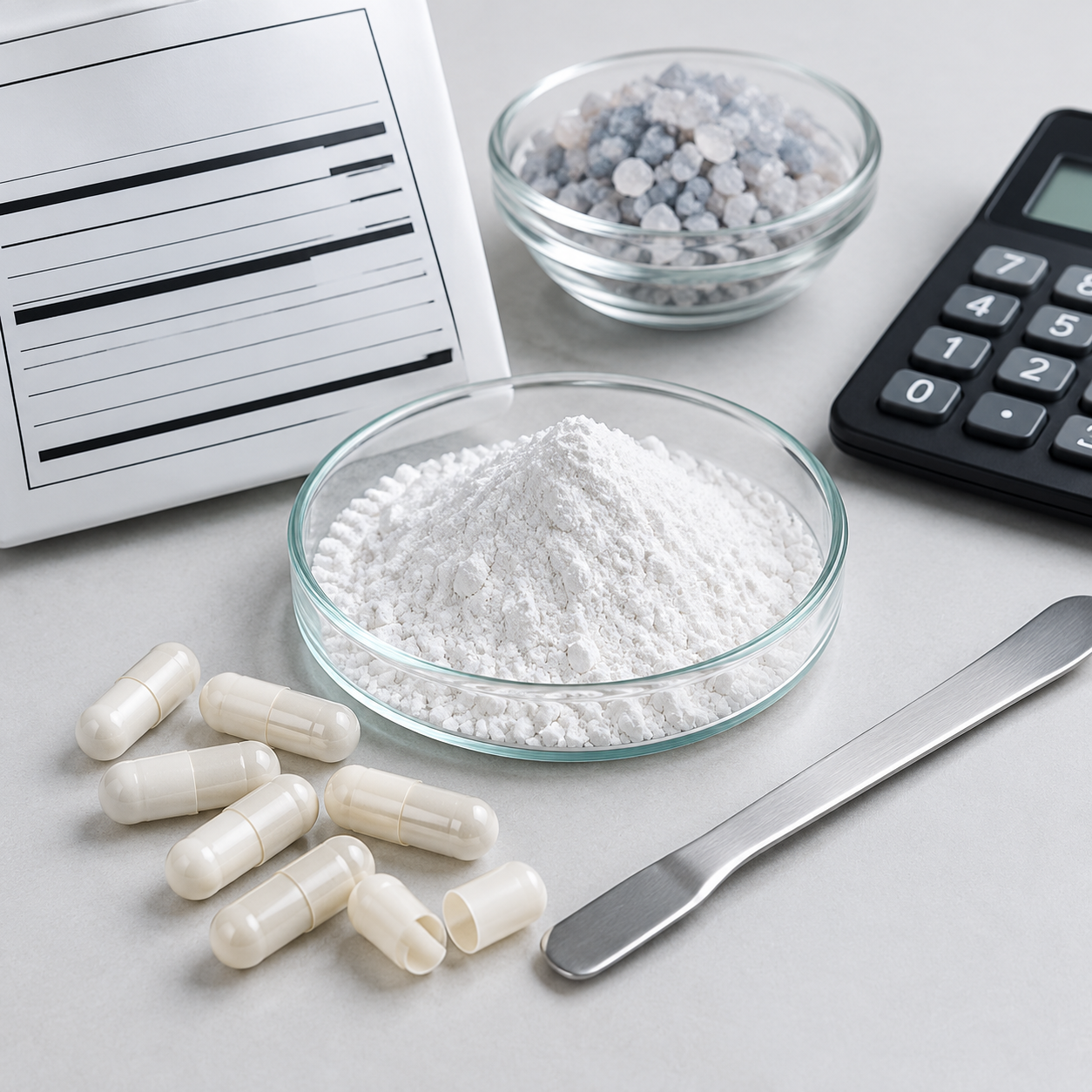
Learn how to read elemental magnesium on a U.S. Supplement Facts panel, distinguish elemental content from raw ingredient weight, and align formulation, procurement, and QA records.

Supply Chain
When evaluating magnesium glycinate powder suppliers, identify who manufactures the offered material and how the commercial supplier supports qualification and supply. This guide covers manufacturing-source information, powder properties, lot documentation, and the application trial needed to evaluate a candidate.

Market Insights
Magnesium has become one of the most-used supplements in the U.S., and glycinate sits at its premium end. This guide covers what's driving demand, how the category is shifting toward new formats and credibility-led sourcing, and what those trends mean for brands buying magnesium glycinate.

Supply Chain
Review magnesium glycinate composition evidence, facility and product certification scope, and supply conditions before committing to an ingredient supplier.

Formulation
In sleep, calm, and daily-wellness products, magnesium glycinate rarely travels alone. This guide covers how to design a magnesium stack — the space budget a higher-elemental grade buys you, common pairings like vitamin D, B6, zinc, and L-theanine, physical and chemical compatibility, and the labeling and claim implications of a combination formula.

Quality & Regulatory
Stability is one of the most underestimated questions in magnesium sourcing. This guide covers how water content and hygroscopicity affect magnesium glycinate, what storage and packaging considerations matter, and why raw-material stability data is an input to — not a substitute for — the finished-product testing a brand still has to do.

Quality & Regulatory
Certifications are how procurement teams quickly screen an ingredient supplier — but a logo on a sales sheet is not the same as coverage for your product. Here's what GRAS, NSF GMP, ISO 9001, FSSC 22000, BRCGS, Non-GMO, Halal, and Kosher each mean for a magnesium glycinate supplier, and what to verify before you rely on them.

Supply Chain
Sourcing magnesium glycinate from an overseas supplier means stepping into FDA's import framework — FSVP, facility registration, and the documentation your qualification depends on. Here's what U.S. brands and importers are responsible for, what an overseas magnesium supplier should provide, and how U.S.-held inventory reduces import risk.

Chelation Science
With more than a dozen magnesium forms on the market, choosing one is a formulation and positioning decision, not a preference. This guide compares glycinate, citrate, oxide, malate, and threonate on elemental magnesium, solubility, taste, tolerance, and cost — so you can match the form to your product instead of chasing a single "best" magnesium.

Formulation
Gummies are one of the hardest formats for a mineral like magnesium. This guide covers the real challenges of a magnesium glycinate gummy — mineral load limits, taste, texture, pH, and stability — and why simply adding magnesium to a gummy base rarely produces a product a consumer wants to buy twice.

Formulation
“Taste-free” sounds like a marketing line, but in powders, stick packs, drinks, and gummies it is a hard development and commercial factor. This guide explains why the sensory performance of magnesium glycinate drives masking cost, development time, repeat purchase, and launch risk — and why it belongs in your sourcing decision, not just your flavor brief.

Formulation
Capsules and tablets are where magnesium glycinate’s elemental magnesium content turns into real formulation decisions: capsule count, capsule size, compression behavior, and how much room is left for other actives. This guide covers the formulation advantages of a high-elemental grade and the labeling considerations that come with it.

Chelation Science
“Which is better, magnesium glycinate or magnesium citrate?” is the wrong question for a formulator. The better question is which form fits which product goal. This guide compares the two across bioavailability framing, tolerance, taste, dosage-form fit, and positioning, so you can match the form to the product rather than chase a winner.

Formulation
Putting magnesium glycinate into a drink is different from putting it into a capsule. Learn what beverage brands should evaluate before choosing a grade: solubility, taste, pH, stability, food-use documentation, and positioning.

Chelation Science
“Magnesium glycinate” and “magnesium bisglycinate” are often used interchangeably — but the terms carry different precision, and the difference matters for your label, your specification, and your supplier documentation. This guide clears up the naming, the chemistry, and what to actually ask a supplier.

Quality & Regulatory
Magnesium glycinate sells on positioning — sleep, calm, stress, daily wellness — but those same themes are where U.S. brands most often drift into claims they cannot support. This guide covers how to frame magnesium glycinate marketing across your website, labels, e-commerce pages, and social, and where the line between a structure/function claim and a disease claim actually sits.

Quality & Regulatory
Learn how to read a magnesium glycinate COA, from identity and elemental magnesium assay to heavy metals, microbiology, free magnesium, batch traceability, and supplier documentation.

Chelation Science
In magnesium glycinate, "12% elemental magnesium" describes how much actual magnesium sits inside the compound — not the raw-material weight. Here's what elemental magnesium means for your Supplement Facts panel, capsule count, formulation cost, and supplier evaluation.

Supply Chain
Choosing a magnesium glycinate supplier involves more than comparing specifications or price. For U.S. supplement brands, the right partner should support formulation goals, clarify chelation profile and elemental magnesium content, provide reliable documentation, and maintain supply continuity from pilot runs to commercial production. This guide outlines the key technical, quality, and operational factors brands should evaluate before selecting a supplier.

Quality & Regulatory
A practical guide to magnesium glycinate claim strategy for U.S. supplement brands and functional beverage teams. Covers common overclaiming risks, structure/function claim compliance, safe vs. risky language for sleep and relaxation positioning, and how ingredient grade selection affects format feasibility and regulatory review from the start.

Quality & Regulatory
Magnesium glycinate, chelated magnesium glycinate, and magnesium bisglycinate are increasingly used in supplements and functional beverages. This article explains magnesium claim strategy and what U.S. brands should look for in a magnesium ingredient supplier for compliant, faster commercialization.