Scientific laboratory hero image

Science

Analytical Data Your Team Can Check.

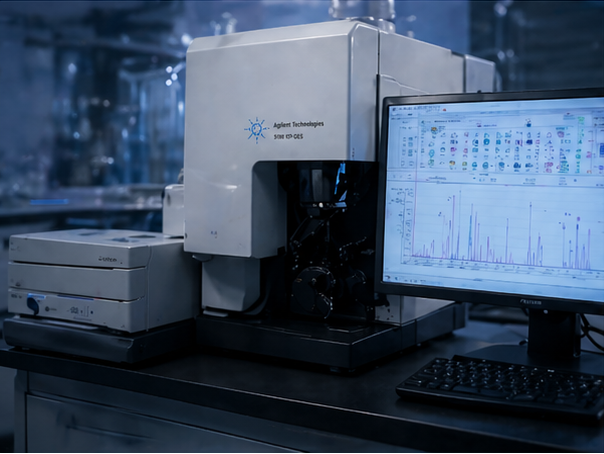
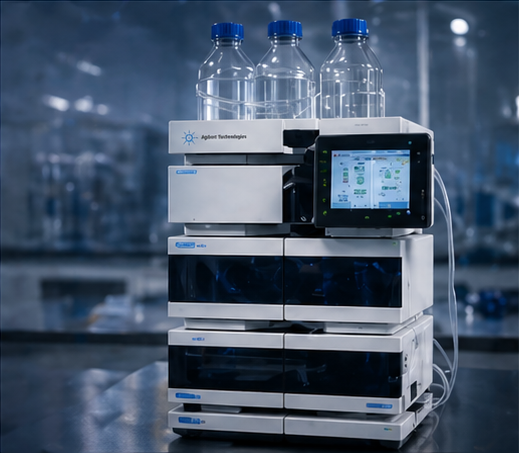
FTIR, XRD, ICP-OES, HPLC, and moisture testing are organized by lot so technical teams can review the file without chasing separate records.

FTIR Verified

Confirms chelation and molecular structure.

XRD Confirmed

Matches fully reacted magnesium glycinate reference pattern.

Free Magnesium Controlled

Less than 0.02% free ionic magnesium.

Formulation Advantage

Better clarity and repeatable finished product behavior.

FTIR

FTIR

Confirms chelation and molecular structure.

Testing before a batch leaves.

Release files tie the lot number to method results, COA review, and customer documentation.

XRD

XRD

Verifies crystalline structure and phase purity.

ICP-OES

ICP-OES

Controls free magnesium and heavy metals.

HPLC

HPLC

Ensures purity and detects impurities.

Karl Fischer

Karl Fischer

Ensures optimal moisture content for stability.

Primary evidence

Chelation Verification

Detailed FTIR review

FTIR Spectrum

1595–1615 cm⁻¹Confirms glycine coordinationWavenumber (cm⁻¹)Transmittance (%)

Characteristic band at 1595–1615 cm⁻¹ supports magnesium–glycine chelation and provides a defensible spectral reference.

Confirmed coordination bonding

Chelation peak verified at 1595–1615 cm⁻¹.

No free magnesium oxide signal

No characteristic MgO peaks detected.

Structural consistency batch-to-batch

Reproducible spectra across production lots.

Formulation performance

Stability and clarity in finished formats.

Month 0
100%
Month 3
98%
Month 6
97%
Month 12
96%
Month 24
95%

Chelation integrity remains above 95% after 24 months.

Clarity performance

Low haze in liquid delivery systems.

Useful for clear solutions, RTD concepts, and liquid formats where haze is visible.

Why it works

What sits behind the claim.

01

True Chelation

Magnesium is coordinated with glycine at the molecular level, not simply blended with mineral salts.

02

Controlled Reaction

Reaction parameters are managed to reduce free magnesium and support consistent chelation behavior.

03

Functional Stability

The verified structure supports cleaner handling, better clarity, and more reliable formulation performance.

Application impact

Cleaner appearance

Keeps haze low in liquids, stick packs, and other formats where clarity is visible.

Better tolerance story

Low free magnesium supports products built around gentler daily use.

Stronger technical claims

QA, R&D, and marketing teams can point to the same analytical file.

Common questions

What is chelated magnesium bisglycinate?

Chelated magnesium bisglycinate is magnesium coordinated with glycine, designed to support lower free magnesium, better tolerance, and formulation-friendly performance.

How much elemental magnesium does MagneINNO contain?

MagneINNO Grade 1 contains 12.01% elemental magnesium verified by ICP-OES. Additional grades are built for taste and application needs.

How is true chelation verified vs blended forms?

MagneINNO uses analytical checks such as FTIR, XRD, ICP-OES, Karl Fischer, and free magnesium testing to support chelation and batch consistency.

What certifications does MagneINNO hold?

MagneINNO supports NSF GMP, NSF Certified Sport, FDA facility, ISO 9001, FSSC 22000, Non-GMO, Halal, Kosher, and GRAS documentation paths.

What is the minimum order quantity?

Minimum order quantity depends on grade, packing, destination, and launch timing. The sales team confirms MOQ during sample and quotation review.

How does MagneINNO support brands replacing uncertain lead times?

MagneINNO supports commercial launches with chelation data, grade selection, documentation support, 1,000+ tons/year capacity, California warehouse stock, and ready-to-ship inventory planning.

Need the technical file?

Request the technical package for specifications, method summaries, and application guidance.

Request Technical Package →