Formulation
Formulating Magnesium Glycinate With L-Theanine, Melatonin and Ashwagandha
Dose scale, blend uniformity, format and label rules for a magnesium glycinate formula that also contains L-theanine, melatonin or ashwagandha.
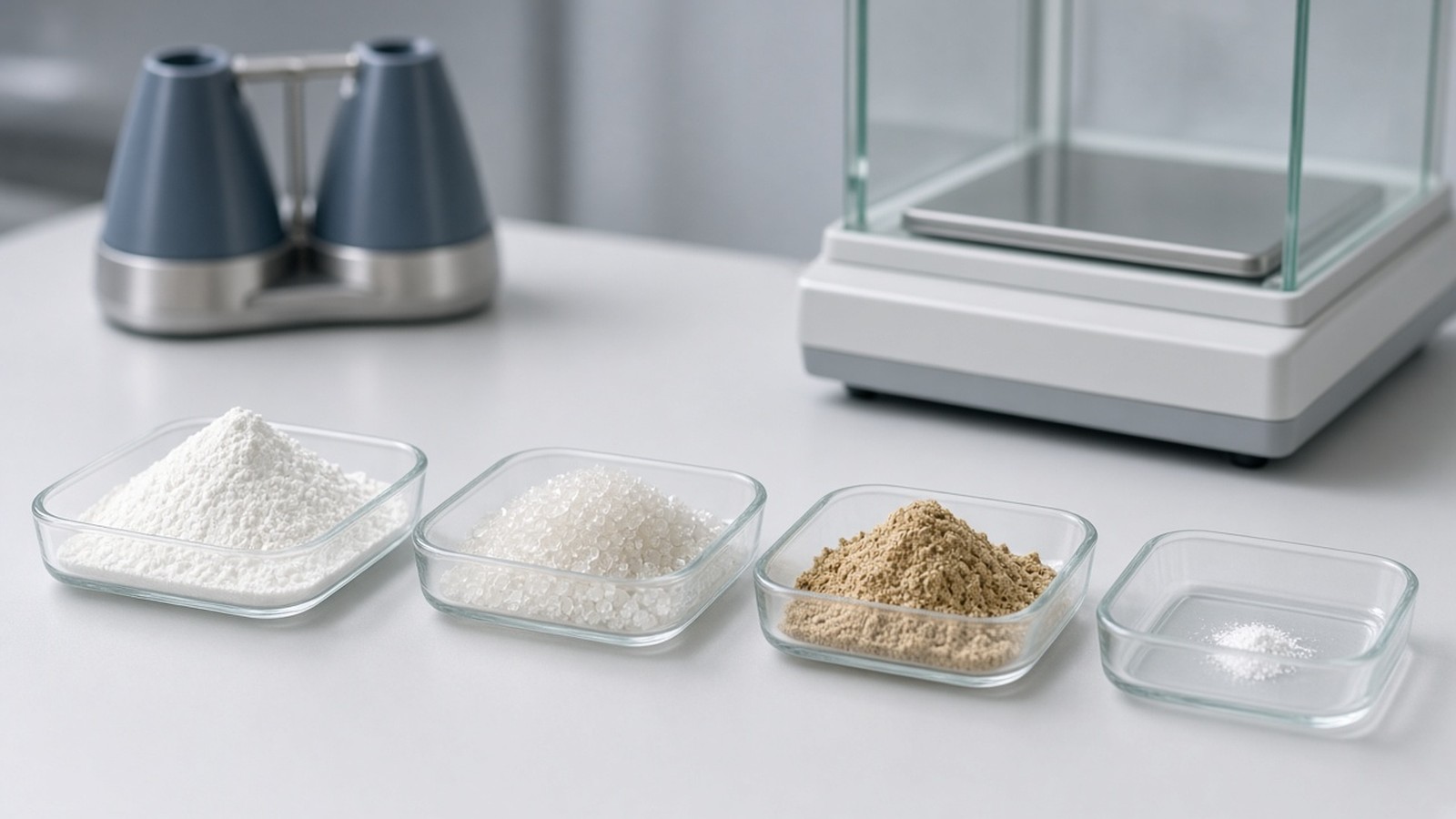
Some supplement formulas pair magnesium glycinate with L-theanine, melatonin or ashwagandha. For the formulator, these four ingredients have little in common. One is a mineral chelate dosed by elemental content, one is an amino acid, one is used at single milligrams per serving, and one is a botanical extract. Putting them in one capsule, gummy or drink raises practical questions about dose scale, blend uniformity, format and labeling.
This article covers those formulation and regulatory questions only. It does not discuss what the ingredients do, and any claim a brand makes about the finished product needs its own substantiation and review.
Start with the scale of each ingredient
The biggest technical issue in a magnesium glycinate melatonin formulation is the gap in dose scale. Magnesium is set in tens to hundreds of milligrams of elemental magnesium, which becomes hundreds of milligrams to more than a gram of magnesium glycinate. Melatonin products sold in the U.S. are labeled in single milligrams. A 2023 analysis of melatonin gummies published in JAMA found labeled amounts from 1 to 10 mg per serving.
Take an example formula with 100 mg of magnesium from a 12% magnesium glycinate grade, 200 mg of L-theanine, 300 mg of an ashwagandha root extract and 3 mg of melatonin. The magnesium glycinate alone weighs about 833 mg. The active blend comes to roughly 1.34 g, and melatonin is about 0.22% of it. That is the kind of ratio where a simple one-step blend can fail.
The elemental magnesium calculator and the serving format mass and volume budget help check whether the full blend fits the chosen capsule count, gummy weight or stick pack size before the formula goes to the contract manufacturer.
Blend uniformity for a low-dose ingredient
When one ingredient is a fraction of a percent of the blend, uniformity becomes the main quality risk. The same JAMA study measured melatonin at 74% to 347% of the labeled amount in the products where it was detected. The study reported those differences between measured and labeled amounts. It did not determine why they occurred, and it does not show within-batch blend uniformity or change over time.
Common ways to control this are a pre-blend or trituration of the melatonin with a carrier before adding it to the main blend, a defined blending time, and uniformity testing at the pilot stage with samples taken from several locations. Particle size matters as well. A large difference in particle size between magnesium glycinate and the other ingredients can lead to segregation during transfer and filling. The blend uniformity and segregation page and our guide to particle size specifications cover how to set this up.
For dietary supplements, 21 CFR 111.70(c) requires in-process specifications wherever control is needed to meet identity, purity, strength and composition. A blend uniformity step for melatonin is a clear example of such a control point.
Magnesium glycinate and L-theanine in the same blend
A magnesium glycinate L-theanine formulation is the simpler pairing. Both are amino acid based and are usually supplied as dry powders. The practical checks are flow of the combined blend, moisture pickup at the plant's humidity, and taste if the format is chewed or dissolved. In the example formula above, L-theanine is used at about one-quarter the mass of the magnesium glycinate, or about 24%, but both amounts are far higher than the 3 mg of melatonin, so the two do not create the dose-scale problem that melatonin does.
Keep the specifications separate. Under 111.70(b), each component needs an identity specification, the component specifications necessary to ensure that finished-product purity, strength and composition specifications will be met, and limits on contamination that may adulterate or lead to adulteration of the finished batch. Supplier documents for each component should be kept and reviewed separately. Our general article on formulating magnesium glycinate with other actives covers the compatibility checks that apply to any multi-ingredient formula.
Ashwagandha brings botanical requirements
A magnesium glycinate ashwagandha formulation adds a botanical to the specification and the label. On a Supplement Facts panel, 21 CFR 101.36 requires botanical ingredients to be listed with the part of the plant from which they are derived, such as root or leaf. If the extract is standardized, the specification should state the marker compounds, the method and the acceptance range, and the label should match what the supplier documents support.
Botanical extracts vary in color, taste and moisture behavior. Check the full blend, not just the magnesium glycinate, for flow and color in the pilot, and confirm the extract's own contaminant limits, since a botanical usually carries a different contaminant profile from a mineral ingredient. Regulatory status of ashwagandha differs between markets, so confirm it for each country before launch.
Melatonin decides the regulatory route
In the U.S., melatonin can be sold in dietary supplements, but FDA considers it an unapproved food additive when used in conventional food. FDA's post-market determination for melatonin lists warning letters to firms that added it to conventional foods. A formula that contains melatonin therefore has to be developed, labeled and marketed as a dietary supplement.
That matters most for drink formats. A liquid can be a dietary supplement or a conventional beverage, and FDA's guidance on distinguishing liquid dietary supplements from beverages lists the factors it considers, including product name, packaging, serving size, recommended daily intake, composition and marketing. The liquid dietary supplement vs beverage question should be settled before formulation, because a magnesium drink with melatonin cannot simply be positioned as a beverage. Our article on declaring magnesium on a beverage label explains how the two label panels differ.
Outside the U.S., melatonin is regulated differently in many markets, so check each target country before including it.
Labeling the four ingredients
On a Supplement Facts panel, magnesium has a Daily Value and is listed with its amount and percent DV. L-theanine, melatonin and ashwagandha have no Daily Value, so under 101.36(b)(3)(iv) they are listed with their amounts and a symbol that refers to the statement "Daily Value not established." The magnesium source can be named, for example magnesium (as magnesium glycinate).
For dietary supplements, 21 CFR 111.210 requires the master manufacturing record to state the declared amount of each dietary ingredient and any intentional overage. With a low-dose ingredient such as melatonin, the overage decision should be documented and justified, not left to the batch.
Choosing a format for a private label formula
For a private label formula that combines these ingredients, the format affects which problems dominate:
Format | Main formulation checks |
|---|---|
Capsule | Fill weight and capsule count for about 1.3 g of actives, melatonin uniformity, blend flow |
Gummy | Mineral load in the gummy mass, taste, melatonin distribution in the depositing step |
Drink mix or shot | Supplement positioning if melatonin is used, dissolution, taste, stability in solution |
Our guides to magnesium glycinate in gummies and magnesium glycinate in capsules go deeper into each format.
Frequently asked questions
Can melatonin go into a magnesium beverage sold as a conventional food in the U.S.?
No. FDA considers melatonin an unapproved food additive in conventional food. A drink containing melatonin needs to be a dietary supplement.
Which magnesium glycinate grade suits this kind of formula?
For capsules, a higher-magnesium grade keeps the fill weight down. For powders and drinks, an 8% grade is a starting point for development and should be verified in the actual matrix.
Does the label need to name the part of the plant for ashwagandha?
Yes. Under 21 CFR 101.36, botanical dietary ingredients are identified with the part of the plant used.
Discuss your multi-ingredient formula
MagneINNO, the magnesium glycinate brand of NutraINNO USA Inc., supplies grades for capsules, gummies and drinks, with specifications, lot COAs and free 50 g samples for pilot blends. Contact our technical team with your format, serving size and ingredient list, and we will help you choose a grade that fits.
Need documentation?