Formulation
Formulating a Magnesium Glycinate Beverage Shot
A development guide for magnesium glycinate beverage shots, covering concentration math, clarity, taste, category, label and process.
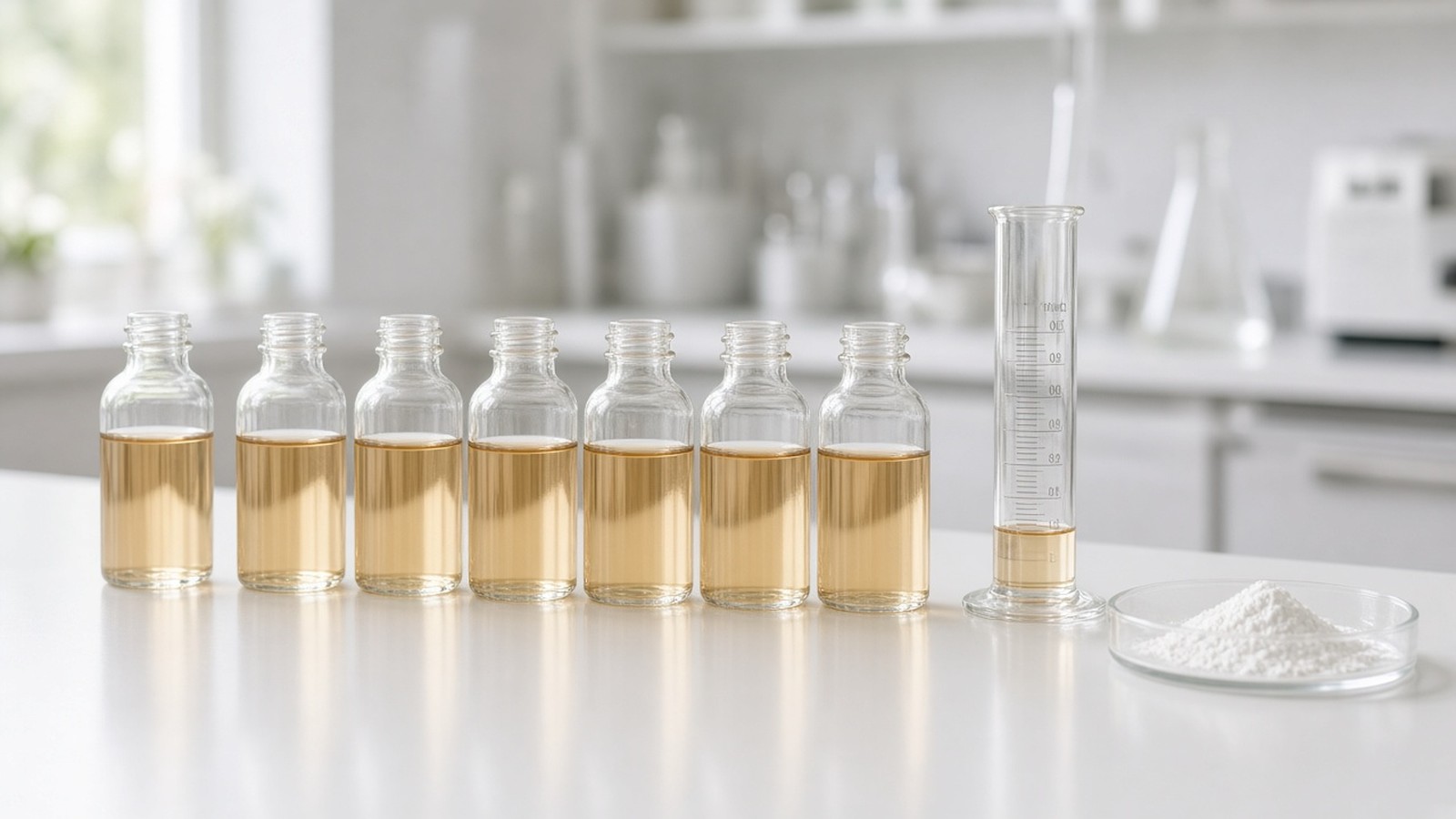
A beverage shot puts a full serving of its ingredients into a small bottle, often 60 mL or less. For a magnesium glycinate beverage shot, that small volume changes the job. The same magnesium that disappears into a 355 mL can is several times more concentrated in a shot, so solubility, clarity and taste all have less room. The category question also becomes sharper, because a small single-serving bottle can point toward a dietary supplement or toward a conventional beverage depending on how it is presented.
This guide walks through the decisions in the order a development team usually meets them.
Start with the concentration math
The key number for a shot is grams of ingredient per liter, not milligrams per serving. As an illustration, a 60 mL shot delivering 100 mg of magnesium from an 8% magnesium glycinate grade needs 1.25 g of ingredient per bottle. That is about 20.8 g per liter. The same 100 mg in a 355 mL can is about 3.5 g per liter, roughly six times more dilute.
Run the numbers for every candidate fill volume before choosing the bottle. The beverage magnesium serving calculator converts a per-serving target into concentration, and the serving format budget page shows how the other ingredients compete for the same space.
Screen water solubility at the real concentration
For water soluble magnesium for drinks, confirm whether the ingredient remains dissolved at the concentration the shot actually uses, in the actual base. A solubility result at a dilute level does not predict a shot. Prepare test solutions at the target concentration and at a margin above it, in water and in the full base with acid, sweetener and flavor.
Many shots are stored cold or exposed to cold in distribution. Include a refrigerated hold in the screen, since solubility of many materials changes with temperature and a haze that forms in a cold case may lead to consumer complaints. The solubility and dissolution test design page explains how to set up the trials, and our article on magnesium glycinate solubility and dissolution covers what the results mean for each format.
Control magnesium beverage turbidity
Magnesium beverage turbidity in a shot can come from the magnesium ingredient, from interactions with phosphates or other buffers, or from other actives and botanicals. Clear packaging makes visible haze and sediment easier to notice.
Use the same measurement throughout development. A turbidity meter gives numbers that can be compared across batches and storage points, and photographs against a standard background make a useful record. Test with omission controls, leaving out one ingredient at a time, to find which component causes a haze. The beverage clarity and stability screen gives a practical setup, and the pH, citrate and phosphate interactions page covers the most common causes.
Plan magnesium glycinate taste masking early
Concentration makes taste harder. A mineral note that is faint in a large drink can be clear in a few sips. Start with a grade developed for taste in liquids, then build the flavor system around it.
Useful levers include the acid profile, sweetener choice and level, and flavors that suit a short, concentrated drink, such as citrus or berry. Evaluate the shot at the serving temperature consumers will use, and test aftertaste as well as first impression. Our guide to building a flavor system around magnesium glycinate covers the levers, and our article on taste free magnesium glycinate explains why the starting grade matters.
Decide the category: liquid dietary supplement vs beverage
FDA's guidance on distinguishing liquid dietary supplements from beverages lists factors that can represent a liquid product as a conventional food. They include the product name, packaging, serving size and recommended daily intake, recommendations and directions for use, composition, labeling and advertising, and other marketing practices. Names using terms such as "beverage" or "drink" generally represent the product as a conventional food. FDA also notes that the volume a container holds and whether it is designed for a single serving can be part of the packaging picture, and that labeled serving size and recommended daily intake can support a determination that a product is not represented as a conventional food.
For a shot, this means the name, the bottle, the directions and the marketing should all point the same way. A team that intends a liquid dietary supplement should avoid beverage names and beverage-style marketing. A team that intends a conventional beverage should treat the product as a food from the start. The brand and its regulatory counsel should assess the full presentation against the applicable legal definitions; choosing a category does not determine it.
Build the label for the chosen route
A liquid dietary supplement uses a Supplement Facts panel under 21 CFR 101.36, where the source can be named in parentheses, for example magnesium (as magnesium glycinate). A conventional beverage uses a Nutrition Facts panel under 21 CFR 101.9 and names the source in the ingredient statement. In both cases the amount declared is elemental magnesium. For a conventional beverage with added magnesium, 21 CFR 101.9(g) requires the Class I nutrient content of the composite sample to be formulated to be at least equal to the declared value. Section 101.36(f)(1) also incorporates the relevant compliance rules for supplements. These provisions are not a per-bottle or through-date guarantee. Separately, support the proposed date with stability evidence for the finished formula and package. Our beverage label guide compares the two panels.
For supplements, the master manufacturing record must list each component by weight and the declared amount of each dietary ingredient under 21 CFR 111.210.
Choose the process with the co-packer
Small bottles are usually filled by a co-packer with the right line. The process choice, such as hot fill, a preservative system or another approach, affects the magnesium ingredient through heat exposure and pH. Screen the base through the intended process before stability work starts. Our article on magnesium glycinate pH and heat stability testing explains the screen, and our beverage co-packer guide covers what to agree with the filler.
Frequently asked questions
How concentrated is magnesium in a shot compared with a standard drink?
For the same magnesium per serving, a 60 mL shot is about six times more concentrated than a 355 mL can. Screen solubility, clarity and taste at the shot concentration.
Is a magnesium shot a dietary supplement or a beverage?
It depends on how the product is represented, including name, packaging, serving size and recommended daily intake, recommendations and directions for use, composition, labeling, advertising and other marketing practices. FDA's guidance lists the factors. The brand and its counsel should assess the full presentation against the applicable definitions, not simply select a category.
What causes haze in a magnesium shot?
Common causes include concentration above the solubility limit in the base, cold storage, and interactions with phosphates, buffers or botanicals. Omission controls help find the cause.
Develop your shot with us
MagneINNO, the magnesium glycinate brand of NutraINNO USA Inc., offers an 8% elemental magnesium Ultra Taste Free grade for beverages. We provide specifications and lot COAs for development teams.
Free 50 g samples are available for solubility and taste screening. Contact our technical team with your fill volume and magnesium target, and we will send specifications and a quote.
Need documentation?